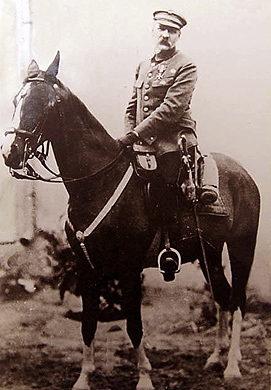
Structured record
Identity snapshot
Known fields from Wikidata are displayed as recorded. EquinAtlas does not invent values for missing fields.
- Foaled
- 1909
- Died
- 1927
- Sex
- Female
- Color
- chestnut
- Birthplace
- Czaple Małe
Reference desk
Documented relationships
Pedigree, participation, and honors appear only when the upstream entity links them explicitly.
Pedigree
No sire or dam is present in this source record.
Events & honors
- Owner recorded by source
- Józef Piłsudski
Catalog identity
- Wikidata entity
- Q6374929
- Permanent revision
- #2516922714
- Record depth
- Structured source profile
- Source links
- 3
Provenance
Open the underlying record
This is a discoverability profile built from community-maintained structured data, not an EquinAtlas editorial dossier.
Wikidata
Kasztanka - structured entity record (opens in a new tab)
Structured identity, classification, pedigree, participation, and award statements displayed on this page.
Retrieved July 26, 2026
Wikipedia
Read the linked encyclopedia article (opens in a new tab)
A convenient reading path linked by the same Wikidata entity. Wikipedia is separate from EquinAtlas.
Continue researching
Build a reading path from the record
Every connection below is generated from fields already present in the source-linked archive. It is a research lead, not a claim that two horses had equivalent careers.
Compare documented peers
These horses share multiple recorded identity fields, such as discipline, breed, country, sex, or foaling period.
Notable horses
Chorus 52606
Percheron mare
- Foaled within five years
- 1905
- Shared discipline
- Notable horses
- Shared recorded sex category
- Female

Notable horses
Coreen 117580
Percheron mare
- Foaled within five years
- 1914
- Shared discipline
- Notable horses
- Shared recorded sex category
- Female
Notable horses
Couceorous 94852
Percheron mare
- Foaled within five years
- 1912
- Shared discipline
- Notable horses
- Shared recorded sex category
- Female
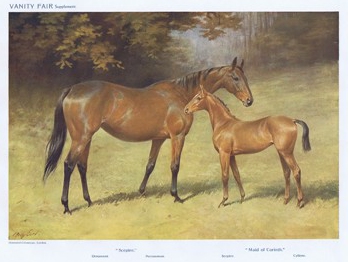
Notable horses
Maid of Corinth
horse
- Foaled within five years
- 1907
- Shared discipline
- Notable horses
- Shared recorded sex category
- Female
Stay within the discipline
These source-linked records share the same discipline classification; open each profile to establish any closer comparison.

Racing
Plucky Liege
horse
- Foaled within five years
- 1912
- Shared recorded sex category
- Female

Racing
Regret
Thoroughbred racehorse
- Foaled within five years
- 1912
- Shared recorded sex category
- Female

Racing
Cherimoya
horse
- Foaled within five years
- 1908
- Shared recorded sex category
- Female
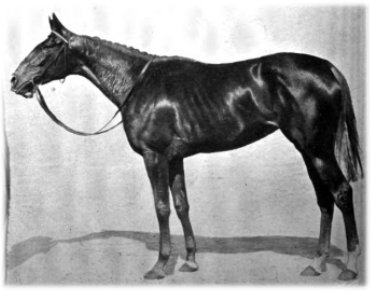
Racing
Rosedrop
British-bred Thoroughbred racehorse
- Foaled within five years
- 1907
- Shared recorded sex category
- Female
Field notebook
Questions the available evidence can support
Era comparison
Start with Kasztanka's recorded foaling year (1909). Date every comparison and keep later commentary separate from contemporaneous results.
Based on: Recorded foaling yearConnection map
Trace the recorded owner entries one source at a time. Preserve the role and date attached to each source rather than assuming a permanent relationship.
Based on: Named connections, events, or honorsIdentity language
Copy breed, studbook, sex, and place terms exactly as the source presents them; note conflicts instead of silently standardizing them.
Based on: Recorded identity fieldsSource check
Open the 3 linked sources, record the publisher and retrieval or revision date, and mark which displayed fields each source actually supports.
Based on: Linked source trail
From profile to reading room
Continue from Kasztanka's record
4 original briefs · 31 reading minutes · 17 direct references. These are research-method companions, not additional claims about the horse.
Cross-discipline method
Before you lease, build the horse dossier first
A good lease search connects the rider's real goal with verified identity, records, trial observations, independent veterinary input, total care costs, and written responsibilities.
Why read this next: This leasing and due diligence brief supplies a horse-life research checklist with 5 direct references. Apply the method to open questions, not as evidence about this individual horse.
Read the original briefBroader research method
Advanced riding knowledge is a framework, not a remote lesson
A research site can sharpen observation of rhythm, balance, line, recovery, and horse response. It cannot safely prescribe a correction for a partnership it cannot see.
Why read this next: This broader advanced rider education brief demonstrates how EquinAtlas separates records, context, and inference across 3 direct references. It is a research-method companion, not a claim about this horse.
Read the original briefBroader research method
A finish line is not an exit plan
Retirement can mean rehabilitation, retraining, adoption, sanctuary, or another carefully matched role. Good research follows the horse beyond the final chart.
Why read this next: This broader aftercare and welfare brief demonstrates how EquinAtlas separates records, context, and inference across 5 direct references. It is a research-method companion, not a claim about this horse.
Read the original briefBroader research method
Stud fee is a price tag, not a breeding verdict
The advertised fee opens a stallion dossier. Book size, opportunity, mare quality, crop age, contract terms, and the goals for the mating determine what the price can and cannot mean.
Why read this next: This broader bloodstock research brief demonstrates how EquinAtlas separates records, context, and inference across 4 direct references. It is a research-method companion, not a claim about this horse.
Read the original briefRecord boundary
A source index, not a fabricated biography
EquinAtlas preserves the upstream description and linked structured facts without filling gaps. This page does not claim current form, ownership, health, availability, fees, race times, proprietary speed figures, results, or rankings. Follow the source record and official sport or registry sources before relying on a horse's identity or history.